Decaf Without the Chemicals
Walk into The Roasterie and ask about decaf, and we will smile every single time.
We are huge fans of good decaf around here. There is nothing better than offering a cup of coffee that has been handled with care, crafted from top tier green beans, and processed using pure water rather than synthetic solvents.
For a long time, decaf suffered from a bad reputation. People thought drinking decaf meant settling for flat, cardboard flavour or accepting beans soaked in synthetic chemicals like methylene chloride or ethyl acetate. That misses the point of good coffee entirely. You should be able to enjoy a rich, aromatic cup whenever you feel like brewing one.
A Brief History of Decaf
Commercial decaffeination started back in 1903 in Germany, when Ludwig Roselius patented a process that used chemical solvents to strip caffeine from soaked beans. While it worked, early methods often left behind harsh residues and stripped out natural aromatics.
In 1933, a breakthrough occurred in Switzerland with the invention of a natural, water based extraction technique. By 1980, Coffex S.A. developed it into a viable commercial method, and in 1988, the Swiss Water Process was introduced to the specialty coffee world by a facility based right here in Canada, in Delta, British Columbia. Today, Swiss Water Process decaf is globally recognized as the standard for water based decaffeination, with smooth Latin American origins like Swiss Water Colombia and Peru being among the most popular decafs in the world thanks to their rich chocolate and sweet nutty profiles.
The Swiss Water Filtration Process
We exclusively serve Swiss Water Process decaf because we believe what goes into your cup should remain natural.
The mechanism relies on simple principles of solubility, osmosis, and filtration:
- Creating Green Coffee Extract: Green coffee beans are soaked in hot water to dissolve all soluble components, including caffeine, natural sugars, and organic compounds. This liquid is then passed through an activated carbon filter. The carbon target traps the specific caffeine molecules based on their size, leaving behind a liquid known as Green Coffee Extract (GCE). This GCE is saturated with coffee flavour compounds but contains no caffeine.
- Soaking the Target Beans: A fresh batch of unroasted green coffee beans is immersed in this caffeine free Green Coffee Extract. Because the liquid is already saturated with natural coffee sugars and aromatic solids, those flavour compounds stay inside the bean. Only the caffeine migrates out of the new beans into the GCE through natural diffusion.
- Filtering and Reusing: The caffeine laden liquid passes through the activated carbon filters again to trap the new caffeine, and the refreshed Green Coffee Extract is continuously cycled through the batch for eight to ten hours until the green beans are 99.9% caffeine free.
- Drying: The decaffeinated green beans are dried back to their original moisture content and shipped to roasters like us.
Pure water, precise temperature, carbon filtration, and time.
How We Roast Our Decaf
Decaf green beans behave completely differently in the drum than regular green coffee. The Swiss Water process removes caffeine and subtle moisture, leaving the raw beans darker in colour and more sensitive to heat before they even hit our roaster.
Because we roast in small 5lb batches on our small gas-powered roaster, we have to listen closely and manage the flame by hand.
You cannot just follow a preset recipe. We handle our decaf with the exact same focus as our seasonal microlots, making sure we build sweet, rich flavour without scorching the beans.
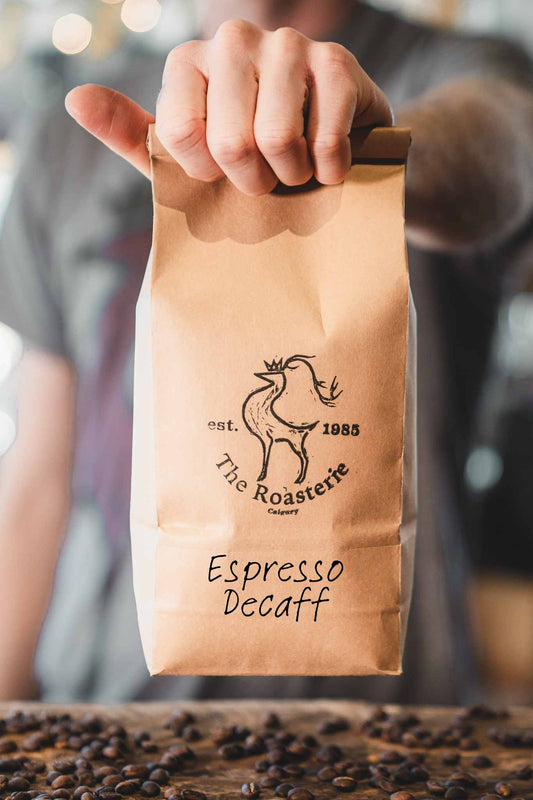
We keep four distinct Swiss Water options on our shelves: three medium roasted single origins for a clean, origin-driven cup, and one dark roasted house espresso blend built for rich crema and it's perfect for those with a serious nougat deficiency.
A True Coffee Lover Drinks Decaf
If you think about it, a true coffee lover is someone who drinks decaf. Why? Because they drink coffee purely for the flavour, the warmth, and the experience of a good cup, not just for the caffeine hit.
Decaf is not restricted to any time of day. It is perfect when you want a rich late in the afternoon without staying up all night, or when you want to mix up a half-caff brew in the morning to balance out your caffeine intake.
Drop by our shop in Kensington to check out our lineup of decaf coffees, roasted less than 72 hours before we grind it and scoop it fresh for you to take home. Or order online for local Calgary delivery and Canada wide shipping.
-
Espresso - Decaff
Regular price $23.50 CADRegular priceUnit price / perSale price $23.50 CAD -
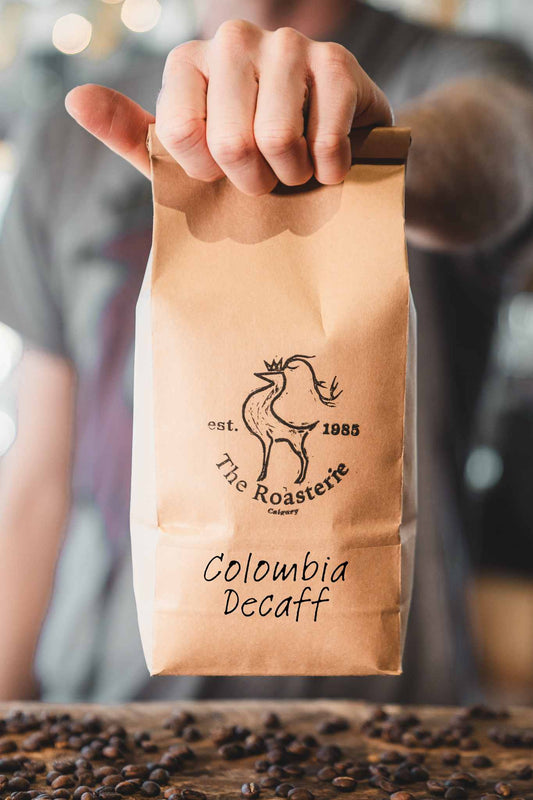
Colombia - Decaff
Regular price $23.00 CADRegular priceUnit price / perSale price $23.00 CAD -
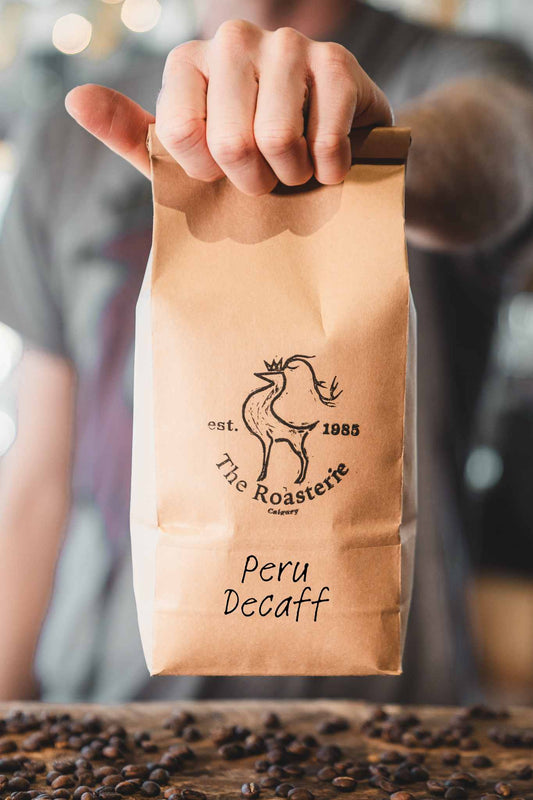
Peru - Decaff
Regular price $23.00 CADRegular priceUnit price / perSale price $23.00 CAD
If you’re not on our newsletter list yet, now’s the time to fix that.
We keep it casual and useful. No spam. No filler. Just real coffee news straight from Calgary's original rebel roaster.