

Pairing Coffee Beans with Brewing Methods
Coffee behaves differently depending on how you brew it.Same beans. Different result in the cup.
What matters most is how water moves through the coffee, how long it stays in contact, and what gets pulled out.
At The Roasterie, everything is roasted in small batches on site. About five pounds at a time.
Each coffee is chosen because it performs well in specific brewing styles, not because it fits one category.
This guide helps you match coffee to how you actually drink it.
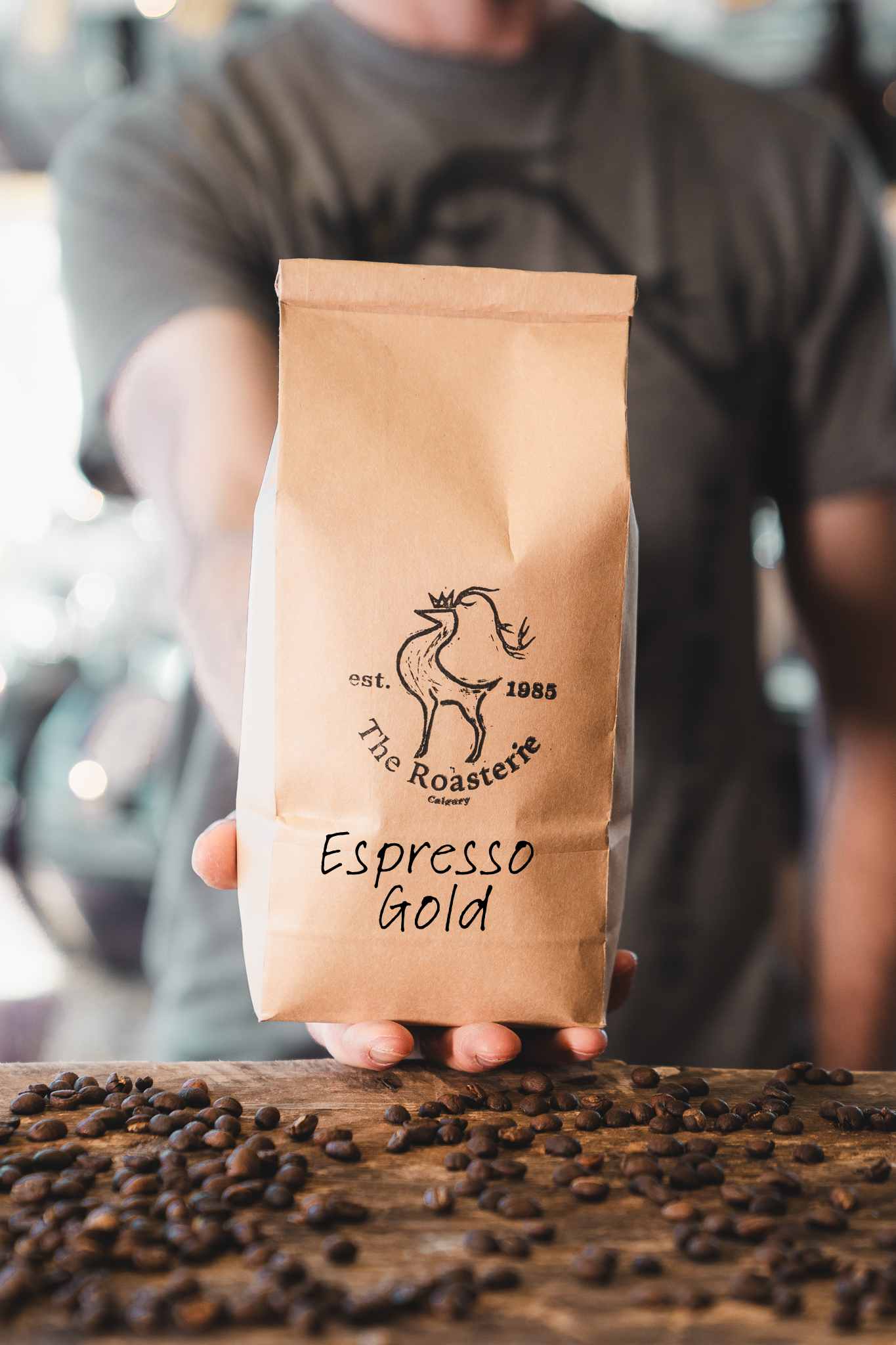
Espresso Machine


Pour Over
Pour over uses gravity and a paper filter.
It is slower than espresso and produces a cleaner cup because oils are filtered out.
Caffeine level is generally higher than espresso per serving because the brew uses more coffee and more water contact time.
This method highlights clarity and separation of flavours.
Ethiopia Adado
Selected because it reacts well to slow extraction.
It gives clear fruit notes without becoming sharp. It stays clean, which is important in a filter brew.
Colombia Huila Geisha
Chosen for its balance between sweetness and light fruit.
It does not require perfect brewing to stay smooth, which makes it reliable for home pour over.
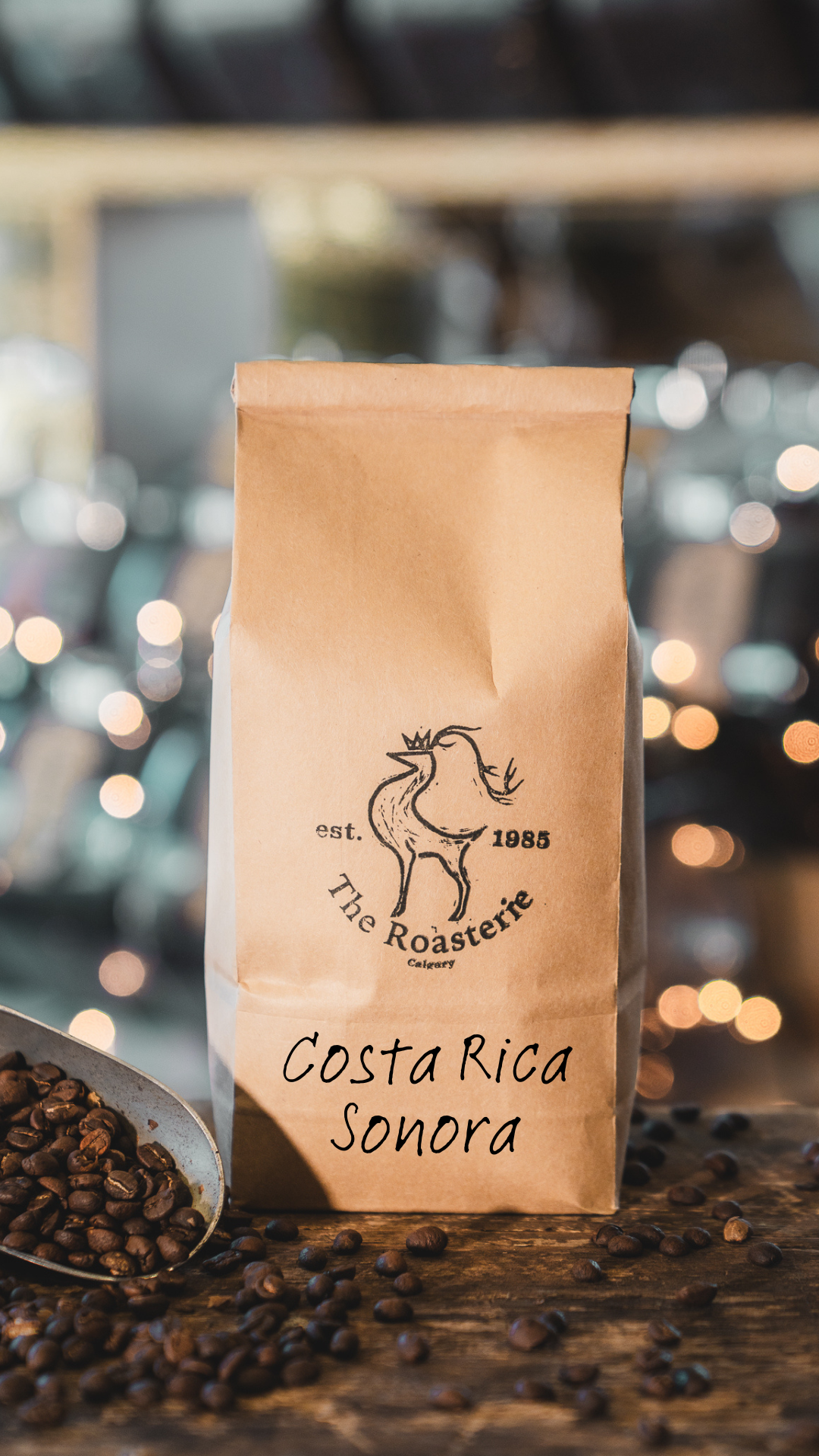
Costa Rica Sonora
Included because it stays structured and steady.
It is not loud, but it gives a consistent cup that works well for people who drink pour over daily.




French Press
French press is immersion brewing.
Coffee sits in water and is filtered with a metal mesh. Oils stay in the cup, which increases body.
Caffeine content is usually higher than espresso per cup because of longer contact time and larger serving size.
Mexico Muxbal
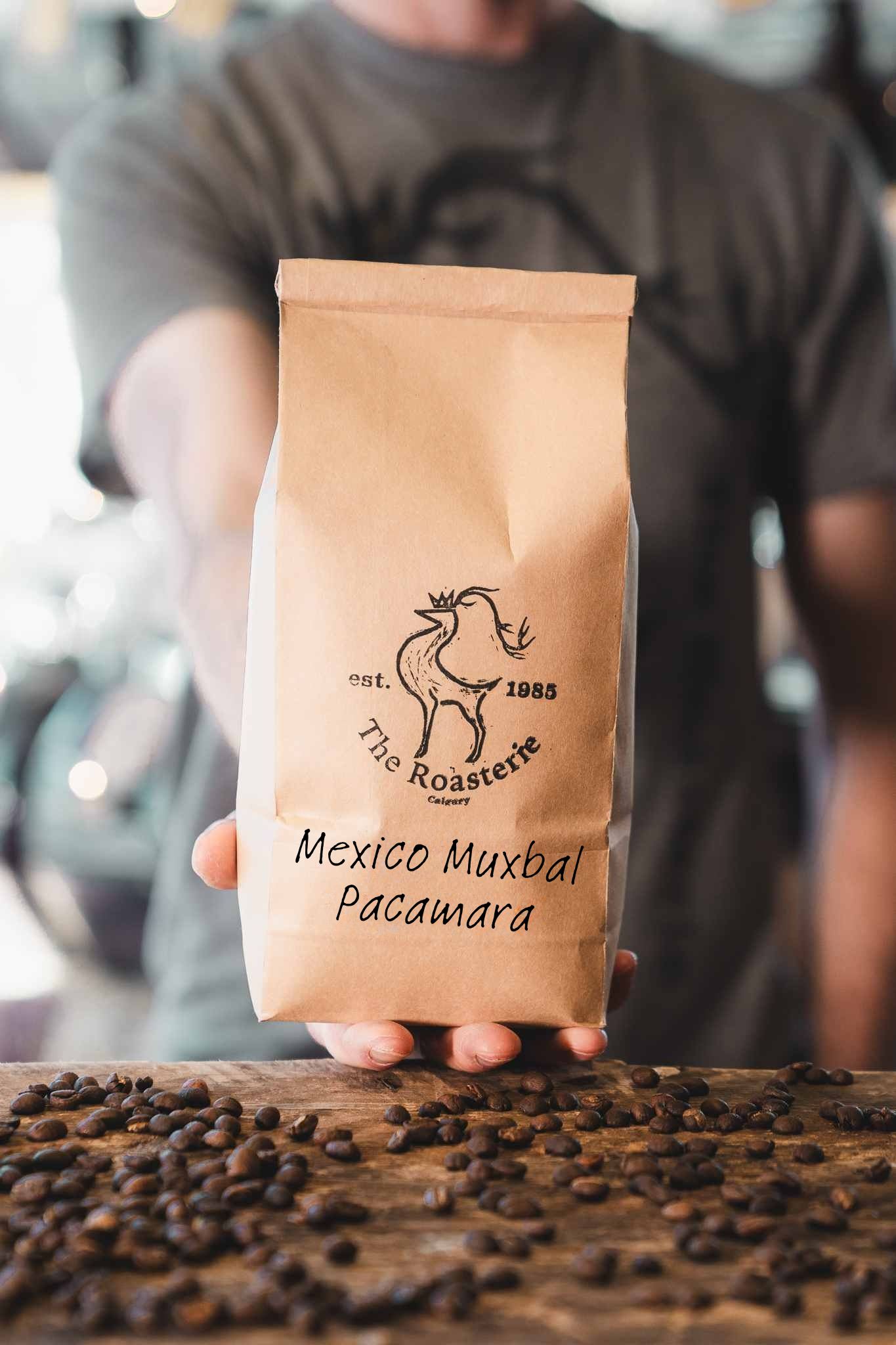
Chosen because it stays stable in full immersion.
It does not turn bitter easily and keeps a smooth texture even with slightly longer steeping.
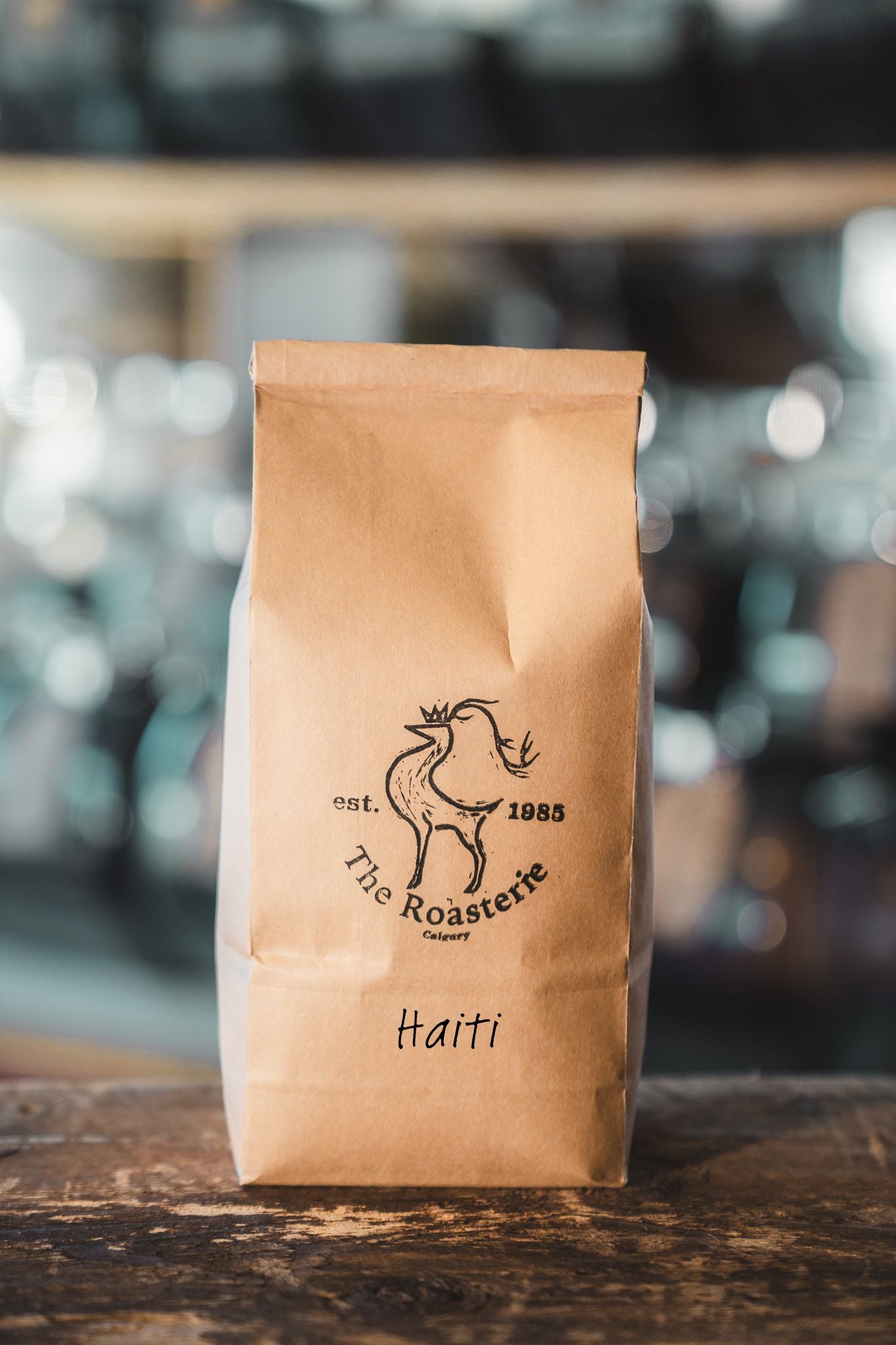
Haiti Blue
Included for depth and body.
It works well in French press because the method supports heavier extraction and richer texture.
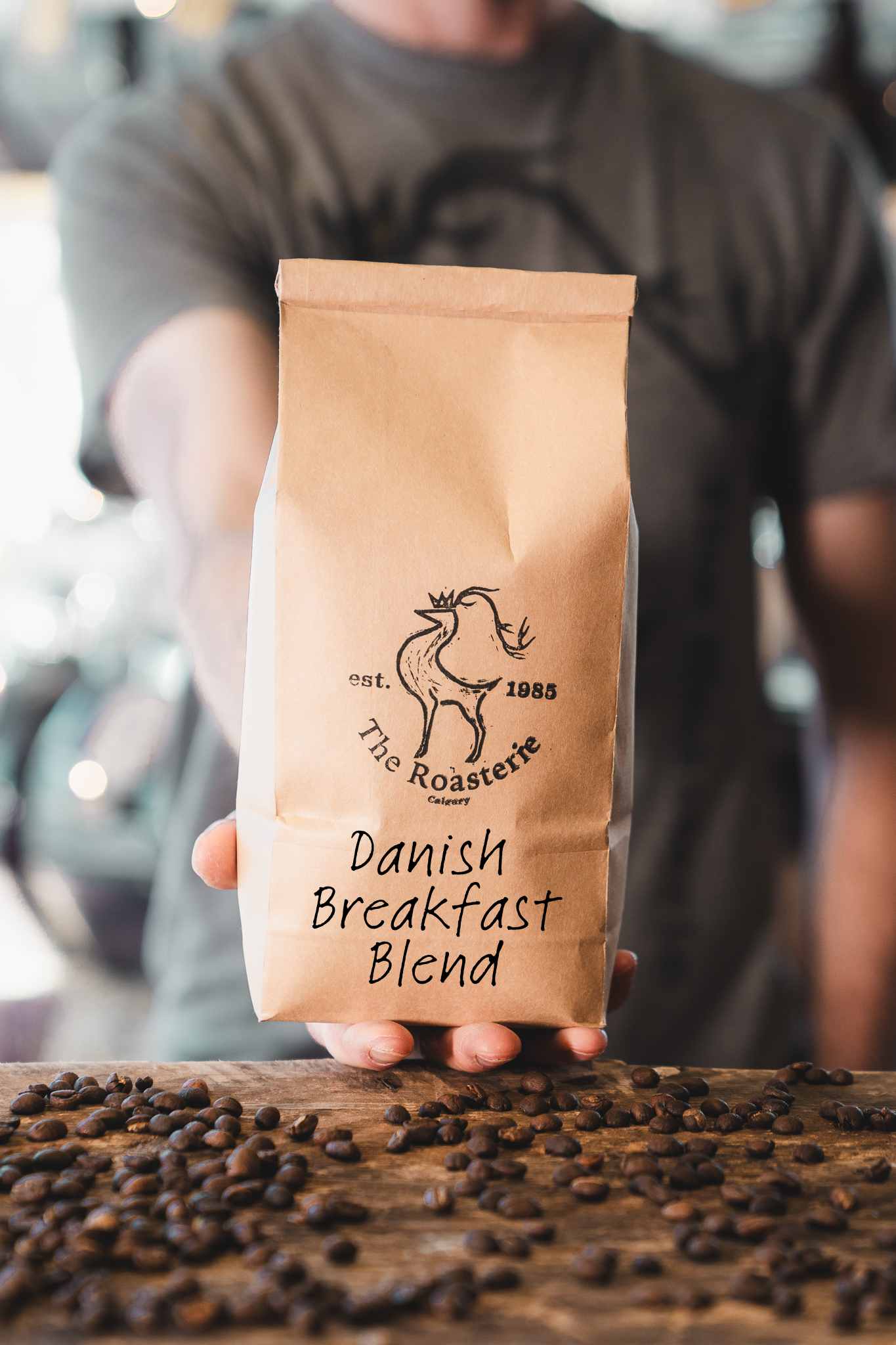
Danish Breakfast
Selected for simplicity and consistency.
It is forgiving with steep time and still produces a clean, easy drinking cup.
Drip Coffee Machine

Moka Pot
Moka pot uses steam pressure on the stove.
It sits between espresso and drip in strength. Caffeine is typically higher than espresso because the brew is longer and less controlled.
Heat management is important because extraction can turn bitter quickly.
Mexico Tierra de Reinas
Chosen because it holds sweetness under strong heat.
It does not collapse into bitterness when extraction runs slightly long.
Haiti Zombie
Included for its strong structure.
It keeps depth and balance even in concentrated stovetop brewing.
India Monsooned Malabar
Selected because it stays smooth under pressure and heat.
Its low acidity makes it stable in moka pot brewing.

Cold Brew

Quick Guide
Espresso = highest concentration, strong body, fast extraction
Pour over = clean cup, more clarity, higher caffeine per serving
French press = heavy texture, oils included, strong body
Drip = balanced volume brewing, steady caffeine
Moka pot = strong stovetop pressure, can turn intense quickly
Cold brew = slow extraction, smooth and lower acidity feel