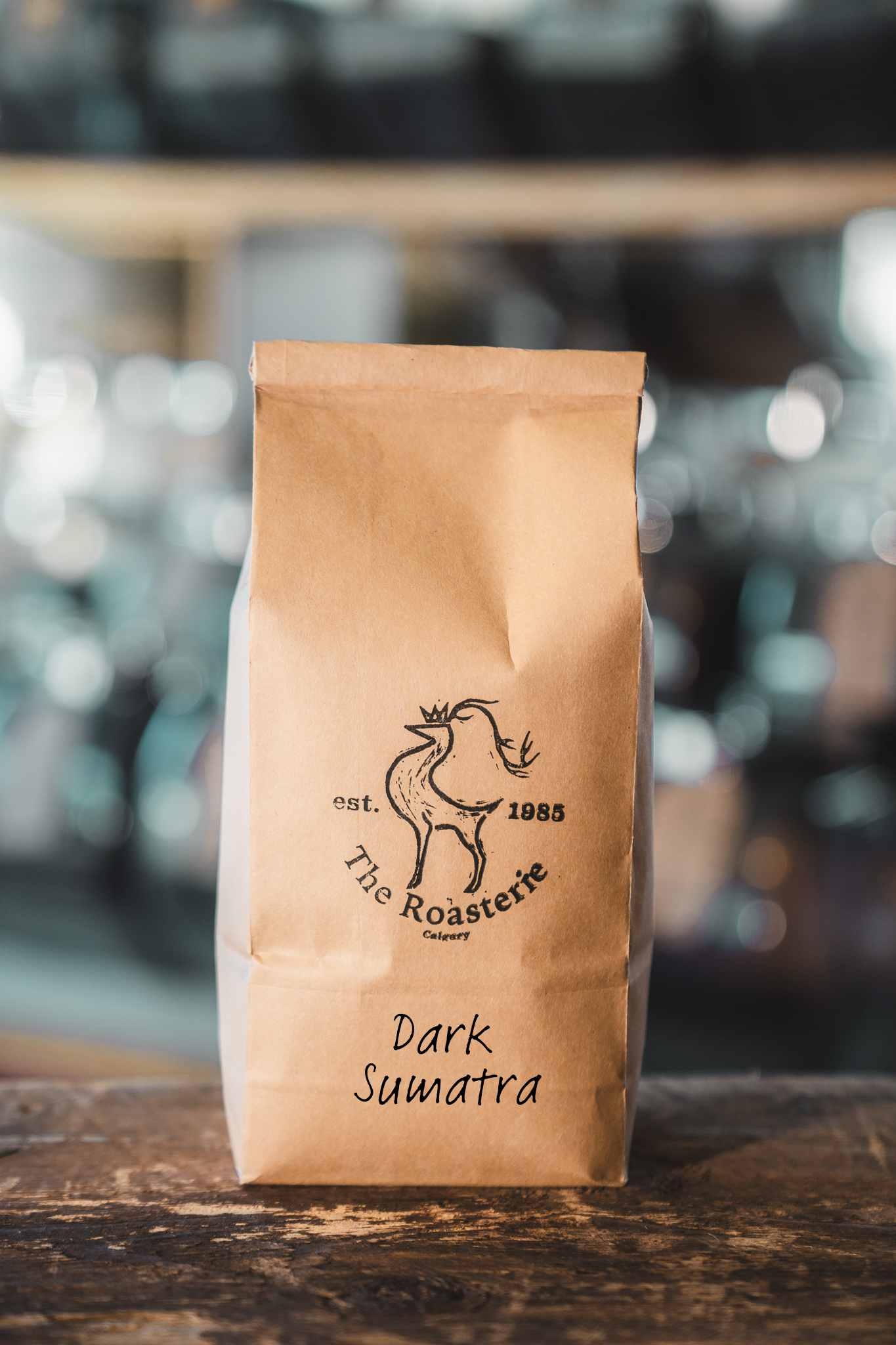
How Post-Harvest Processing Shapes the Coffee in Your Cup
For us at The Roasterie in Kensington, Calgary, knowing what happened to a coffee right after harvest is essential before we ever turn on our roaster. Every bean reacts differently to heat depending on how it was separated from the fruit and dried at origin.
A freshly picked coffee cherry starts out with around 60% moisture. Before those raw coffee beans can travel to Canada, producers have to carefully bring that moisture down to 11 or 12% so the coffee stays stable and sweet. How a farmer gets from a ripe cherry to a dry green bean has a massive impact on the aroma, body, and acidity you taste when you brew your coffee beans in Calgary at home.
Here is a guide to the five main processing methods and what they bring to your morning mug.
1. Washed Process (Clean and Crisp)
The washed process focuses on clarity, allowing the natural character of the coffee plant and its growing region to shine without any interference from the fruit.
- How it works: Soon after picking, a machine strips away the outer skin and most of the cherry pulp. Because the beans are still covered in a sticky, sugar-rich layer called mucilage, farmers place them into clean water tanks to ferment. This breaks down the remaining fruit so it can be washed off completely before the beans are laid out to dry in the sun.
- How it tastes: With all the fruit gone before drying, nothing masks the bean itself. Washed coffees deliver a crisp finish, lively acidity, and clear citrus or floral notes.
2. Natural Process (Fruity and Full-Bodied)
Also known as the dry process, this is the traditional way to prepare coffee in sunny regions where water is scarce. It takes patience, skill, and constant care.
- How it works: Instead of removing the fruit, farmers spread the whole coffee cherries in thin layers on brick patios or raised drying beds. Workers rake and turn the cherries several times a day for weeks so they dry evenly under the sun. Once the outer skin and pulp dry into a crisp husk, a machine cracks it open to release the green bean inside.
- How it tastes: Because the bean dries inside the sweet fruit, it absorbs sugars and aromatic compounds from the cherry. Natural coffees have a heavier body, rich sweetness, and bold notes of blueberry, strawberry, or tropical fruit.
3. Honey Process (Balanced and Sweet)
Common in Costa Rica and El Salvador, the honey process sits right in the middle between washed and natural coffees. Despite the name, no honey or bees are involved. Miel is simply the Spanish word for the sticky fruit mucilage that clings to the seed.
- How it works: A machine removes the outer skin of the cherry, while leaving a controlled layer of sticky fruit flesh on the bean. The beans go straight onto drying beds with that sweet coating still attached.
- How it tastes: You get the rounded sweetness and syrupy body of a natural coffee, balanced with the clean finish of a washed coffee. Expect comforting notes of caramel, stone fruit, and toasted nuts.
4. Wet-Hulled / Giling Basah (Earthy and Bold)
Nearly all coffee around the world stays sealed inside a papery protective shell called parchment until right before export. Producers in Indonesia use a distinct method suited to their humid, tropical climate.
- How it works: Farmers remove the outer cherry skin and partially dry the beans to around 30 or 35% moisture. While the beans are still damp and pliable, they strip off the protective parchment early and finish drying the naked green beans in the sun. This gives the raw beans a deep, signature blue-green colour.
- How it tastes: Wet-hulled coffees have very low acidity, a heavy, velvety body, and deep notes of cedar, warm spices, earth, and dark chocolate.
5. Monsooning (Low Acid and Rich)
Monsooned coffee is a historic specialty from India's Malabar coast. Centuries ago, wooden ships took months to transport coffee from India to Europe, exposing the beans to warm, damp sea air along the journey.
- How it works: Today, producers recreate those exact conditions on land. After the beans are dried and hulled, they are spread out inside open-sided warehouses during the summer monsoon season. For 12 to 16 weeks, moisture-heavy coastal winds circulate through the building. Workers rake the beans regularly so they absorb humidity evenly, swell to nearly twice their original size, and turn a pale golden colour before being dried down again.
- How it tastes: The monsoon winds soften almost all acidity. What remains is an ultra-smooth, full-bodied cup with mellow notes of roasted nuts, dark cocoa, and gentle woodiness.
Matching a Process to Your Taste
-
Processing Method
Washed
Natural
Honey
Wet-Hulled
Monsooned
-
Body
Light to Medium
Full, syrupy
Medium to Full
Heavy, velvety
Very heavy -
Acidity
Bright, crisp
Low to Medium
Balanced
Very low
Almost none -
Common Flavour Notes
Citrus, floral, green apple, tea
Blueberry, strawberry, jam, tropical fruit
Caramel, peach, milk chocolate, nuts
Dark chocolate, cedar, warm spices, earth
Roasted nuts, cocoa, mellow spice -
Best For
Filter brews, AeroPress, bright espresso
Fruity espresso, sweet drip coffee
Everyday morning coffee, versatile espresso
French press, espresso with milk
Smooth, low-acid espresso
Exploring Different Processes in Kensington
When you are browsing coffee at our shop on 10th Street NW, knowing the difference between a crisp washed bean and a velvety wet-hulled roast makes it much easier to find your ideal cup. Because we roast in small 5 lb batches right in the shop, we adjust every roast profile to bring out the best in the farmer's post-harvest work.
Next time you stop by for coffee in Kensington, Calgary, tell us what flavours you enjoy most in your cup, and we will point you toward the origins that match your taste.
Just browsing?
Want 10% off your next bag of beans?
Drop your email below to join our neighbourhood dispatch.
We send notes twice a week covering fresh drops, BTS Roasterie updates, and brewing tips.