
Thinking About an Espresso Machine?
If you’re thinking about buying an espresso machine, or you unwrapped one last Christmas, you’ve probably realized that espresso is a little different from other ways of brewing coffee.
The machine matters, but so do the beans, the grind, and how you care for the equipment.
This guide focuses only on espresso machines. We’re not here to tell you which brand or model to buy, or what style of machine to choose. Instead, we’ll cover what actually makes a difference at home: picking the right coffee, understanding grinders, setting realistic expectations, and keeping your machine in good shape.
A Quick Word on Espresso

Choosing Coffee
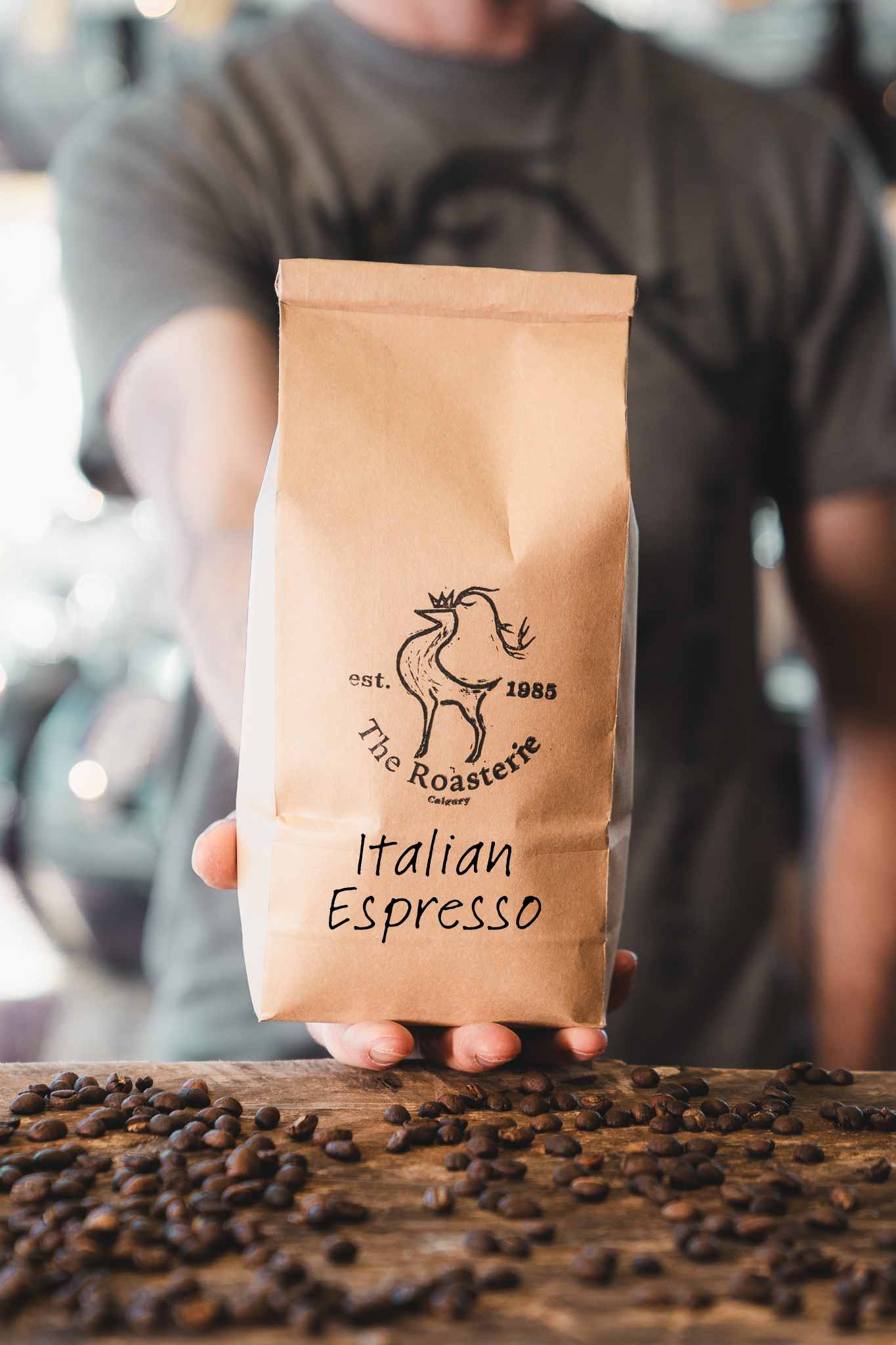
You don’t need a special coffee variety, but coffees roasted for espresso usually work best.
Espresso blends (medium to medium-dark) tend to deliver:
- A smooth, rounded texture
- Natural sweetness
- A balanced cup that brews consistently at home
Espresso also benefits from a 2-3 day resting period after roasting. That's how fresh coffee you can get right here, at The Roasterie.
If you’re new to espresso, starting with an espresso blend makes learning your machine easier.


Can You Use Other Coffees?
Yes. Espresso machines can brew many different coffees. Some may need more adjustments in grind or dose, but experimenting is part of the fun.
For daily use, coffees roasted for espresso usually give the most consistent results with the least fuss.
What to Expect from a Home Espresso Machine

Built-In Grinder or Separate Grinder?
One of the biggest decisions is whether to get a machine with a built-in grinder or a separate grinder.
Machines with Built-In Grinders
These machines are convenient: fewer steps, less clutter, everything in one place.
But on a practical note: if the grinder breaks, the entire machine may need servicing. Repairs are usually possible, but they can be more expensive, and you’re without your coffee maker and grinder until it’s fixed.
They work well for convenience and consistent results, but know the trade-offs.
Separate Grinder and Espresso Machine
A standalone grinder gives more control over grind size and makes switching between coffees easier.
It's easier to clean, but takes up some space and might cost more upfront, but repairs are simpler and you can upgrade one piece at a time.
Steaming Milk at Home

Looking After Your Espresso Machine
Regular care keeps your machine running and your coffee tasting great:
- Rinse the portafilter and group head after use
- Wipe and purge the steam wand after steaming milk
- Backflush if your machine supports it
- Descale according to your water and usage
Clean grinders perform better and last longer. Well-maintained equipment makes espresso more consistent and enjoyable.
Espresso Glossary
Final Shot