
Specialty Coffee, Explained
Specialty coffee is a phrase that shows up a lot lately. On selections. On bags. In conversations that start with “have you tried this one yet.”
It can sound bigger than it needs to be.
At its core, specialty coffee is simply coffee that has been handled carefully at every step.
Not because it’s trendy, but because coffee is a crop that responds to care. Small choices early on show up in the cup later.
We’ve been roasting coffee in Kensington, Calgary since 1985. Same owner. Same space. The work has stayed steady even as the language around coffee has changed.
This post is here to explain what specialty coffee means.
What people usually mean by specialty coffee


The beans we choose to work with
We roast only Arabica coffees, and it’s worth explaining that choice properly.
Arabica and Robusta are not siblings, and not cousins either.
Robusta is actually a parent of Arabica.
Most researchers believe that somewhere in what is now southern Sudan, Robusta crossed naturally with another species called Coffea eugenioides. That crossing produced Arabica.
From there, Arabica spread and began to flourish in Ethiopia, long considered the birthplace of coffee as we know it today.


Why our selection is always changing
We’re a small roaster, which means every coffee on our shelf is chosen with care.
At any given time, we carry around 50 different coffees. Each one is selected by tasting, comparing, and deciding whether it belongs in our lineup.
Alongside long-standing classics, we look for coffees our patrons will genuinely enjoy and that make sense for us to offer. That often includes microlots. These are small, limited harvests from farms producing a very specific lot for a particular crop year. Quantities are tight, and availability can be brief. (!)
When we can secure even a single bag of a new or experimental microlot, we do. Those coffees sit next to familiar origins because both matter. One offers continuity. The other offers a snapshot of what a farm is exploring right now.
Island & Asia Specialty Coffees
-
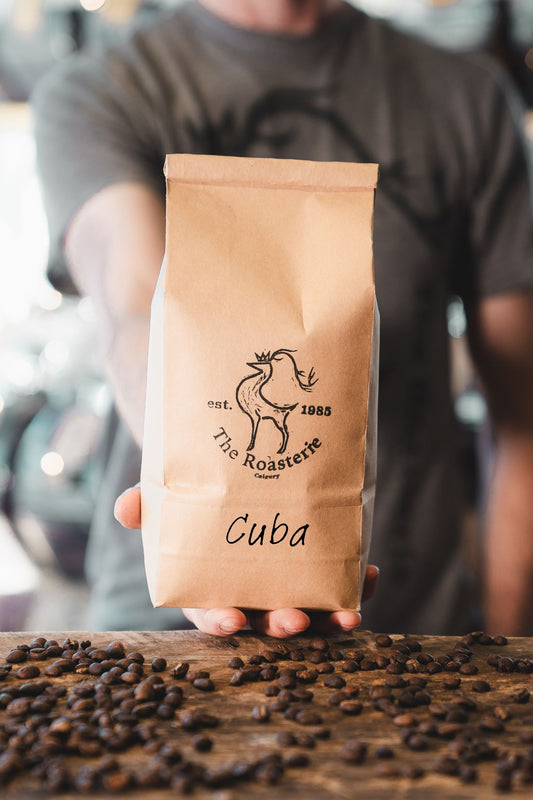
Cuba Caracolillo
Regular price $28.00 CADRegular priceUnit price per -
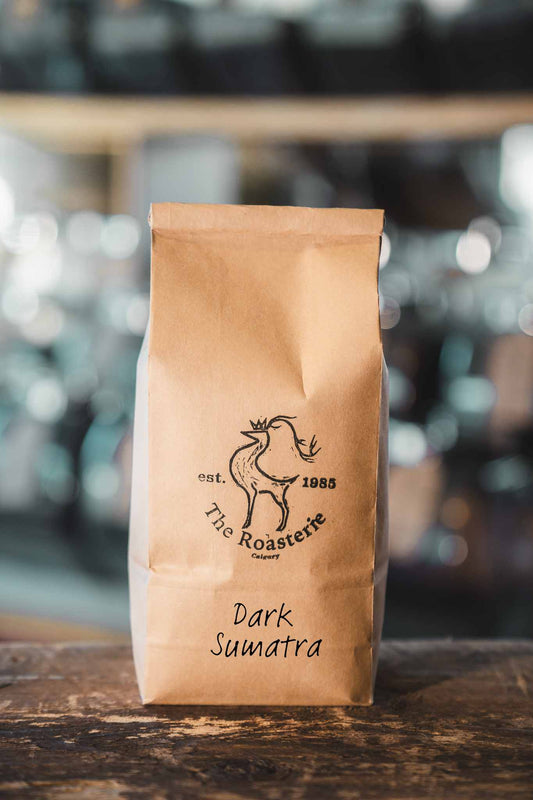
Dark Sumatra
Regular price $22.50 CADRegular priceUnit price per -
India Malabar
Regular price $26.00 CADRegular priceUnit price per -
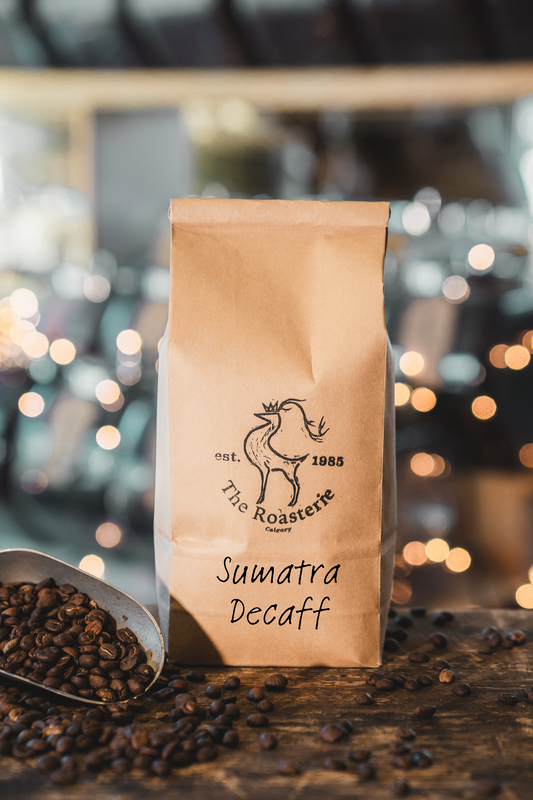
Sumatra - Decaff
Regular price $23.00 CADRegular priceUnit price per -
Haiti Blue
Regular price $35.00 CADRegular priceUnit price per


How people usually experience specialty coffee

Tasting coffee side by side
One of the most effective ways to understand specialty coffee is comparison.
Tasting different coffees next to each other makes origin, processing, and roast choices easier to recognise. Patterns start to appear. Preferences form.
That’s the idea behind our tasting flights.
Each flight features a small selection of coffees chosen from our current lineup. The combinations change regularly, reflecting what we’re roasting and what’s showing particularly well at the moment.
Tasting flights let people explore several coffees without guessing or committing to a full bag right away. They also highlight just how much range exists within specialty coffee.
Specialty coffee at home

Calgary, Kensington, and beyond
Calgary’s coffee scene has grown steadily over the years. More roasters. More curiosity. More people are paying attention to where their coffee comes from.
Being based in Kensington means we see a lot of regulars. People who stop in on walks. People who’ve been coming here for years. People who bring friends from out of town.
For those outside the city, we ship across Canada. The same coffees we roast here, packed fresh and sent out regularly.
Distance doesn’t change how we approach the work.


Why specialty coffee keeps people interested