Coffee Processing
Coffee processing sounds technical. It’s the story of what happens to a coffee cherry after it’s picked, before it becomes the bean you grind at home.
Coffee starts as a fruit. Inside that fruit is a seed. That seed is the coffee bean. Processing is how producers remove the fruit and dry the bean so it’s stable enough to ship, roast, and brew.
Same coffee plant. Same farm. Different process.
And suddenly the cup tastes completely different.
Below, we walk through every major coffee processing method you can see at the shop today.
Washed (aka Wet Process)
This is the most widely used coffee process in the world.
Washed coffees are about separation. The goal is to remove the fruit (the cherry) cleanly so the flavour of the bean itself comes through clearly.
How it works
After picking, the skin and flesh of the coffee cherry are removed using water. At this point, the beans are still coated in a thin, sticky layer of fruit.
To remove that layer, the beans rest briefly in tanks. Naturally occurring enzymes break it down. This step is short, controlled, and only meant to clean the bean.
Once that layer is gone, the beans are washed with fresh water and dried.
What it tastes like
Washed coffees usually show:
- Bright, defined acidity (apple, citrus, stone fruit)
- A lighter, more structured body
- A crisp finish
Instead of heavy sweetness or jammy fruit, flavours stay focused and easy to identify.
Coffees from our selection:
Colombia Huila – Red apple, lemon, nutty notes, pomegranate, tamarind. Round, sweet, and balanced.
Ethiopia Yirgacheffe Dumerso – Raspberry, caramel, jasmine, slight tang, silky texture.
theroasterie.com
Colombia Huila
Share

Natural (aka Dry Process)
This is the oldest coffee process in the world.
Natural coffees are about contact. The bean stays inside the fruit as it dries, so flavour from the cherry has time to move into the seed.
After picking, whole coffee cherries are spread out to dry; skin, flesh, and all.
As the cherries dry, the sugars and fruit compounds slowly seep into the bean. The process takes weeks, not days, and requires constant turning to keep things even and clean.
The fruit stays put until the bean reaches the right moisture level, then the dried cherry is hulled away.
What it tastes like
Natural coffees often show:
- Ripe fruit flavours (berry, stone fruit, tropical notes)
- A heavier, rounder body
- More sweetness and depth
- A softer, less sharp acidity
Flavours lean bold and expressive rather than tight and crisp, with fruit taking the lead instead of structure.
Coffees from our selection:
Mexico Muxbal Pacamara – Black tea, stone fruit, poached pear, citrus, rich body, smooth finish. Fruit-forward but calm and balanced.
Ethiopia Harrar – Bold aromatics, deep fruit notes, and a heavier feel in the cup. A classic natural profile.
theroasterie.com
Ethiopia Harrar

Honey Process (Yellow, Red, Black)
Just to be clear, there’s no honey involved. The name comes from the sticky texture of the fruit left on the bean.
This process sits between washed and natural.
Honey-processed coffees are about balance. Some fruit is removed, some is left behind, and that remaining layer plays a big role in how the coffee tastes.
How it works
After picking, the skin of the coffee cherry is removed, but part of the sticky fruit layer (the mucilage) stays on the bean.
Instead of washing it off, the beans are laid out to dry with that layer intact. As they dry, the sugars in the fruit slowly influence the flavour.
How much fruit is left, and how carefully the coffee is dried, determines the style. That’s where names like yellow, red, or black honey come from.
The amount of fruit left determines the style:
- Yellow honey: less fruit contact, faster drying
- Red honey: more fruit contact, longer drying
- Black honey: the most fruit contact and slowest drying
What it tastes like
Honey coffees tend to show:
- Natural sweetness
- Smooth body
- Balanced flavour
Black honey coffees usually lean deeper and richer, while yellow honey stays lighter and cleaner, red honey sits between.
Coffees from our selection:
El Salvador Yellow Honey – Sweet, clean, and approachable.
Dominican Republic Red Honey – Deeper sweetness, round body, comforting cup.
theroasterie.com
Dominican Republic - Red Honey
Share

Anaerobic Fermentation
Anaerobic fermentation focuses on controlling how flavour develops before drying even begins.
How it works
After picking, coffee cherries (or sometimes pulped beans) are placed in sealed tanks. Oxygen is removed or allowed to drop naturally.
Without oxygen, different microbes become active. Fermentation still happens, just more slowly and predictably.
Time, temperature, and pressure are closely monitored. Once the target point is reached, the coffee is removed, washed or dried depending on the final process.
This method can be used alongside washed, honey, or natural processing.
What it tastes like
Anaerobic coffees often show:
- Intense sweetness
- Juicy, expressive flavours
- A rounded, polished finish
Coffees from our selection:
Zambia (Anaerobic) – Bright and sweet with good structure.
Ethiopia Yirgacheffe Aramo (Anaerobic) – Cocoa nibs, grapefruit zest, bright juicy acidity, sweetly spiced tones.
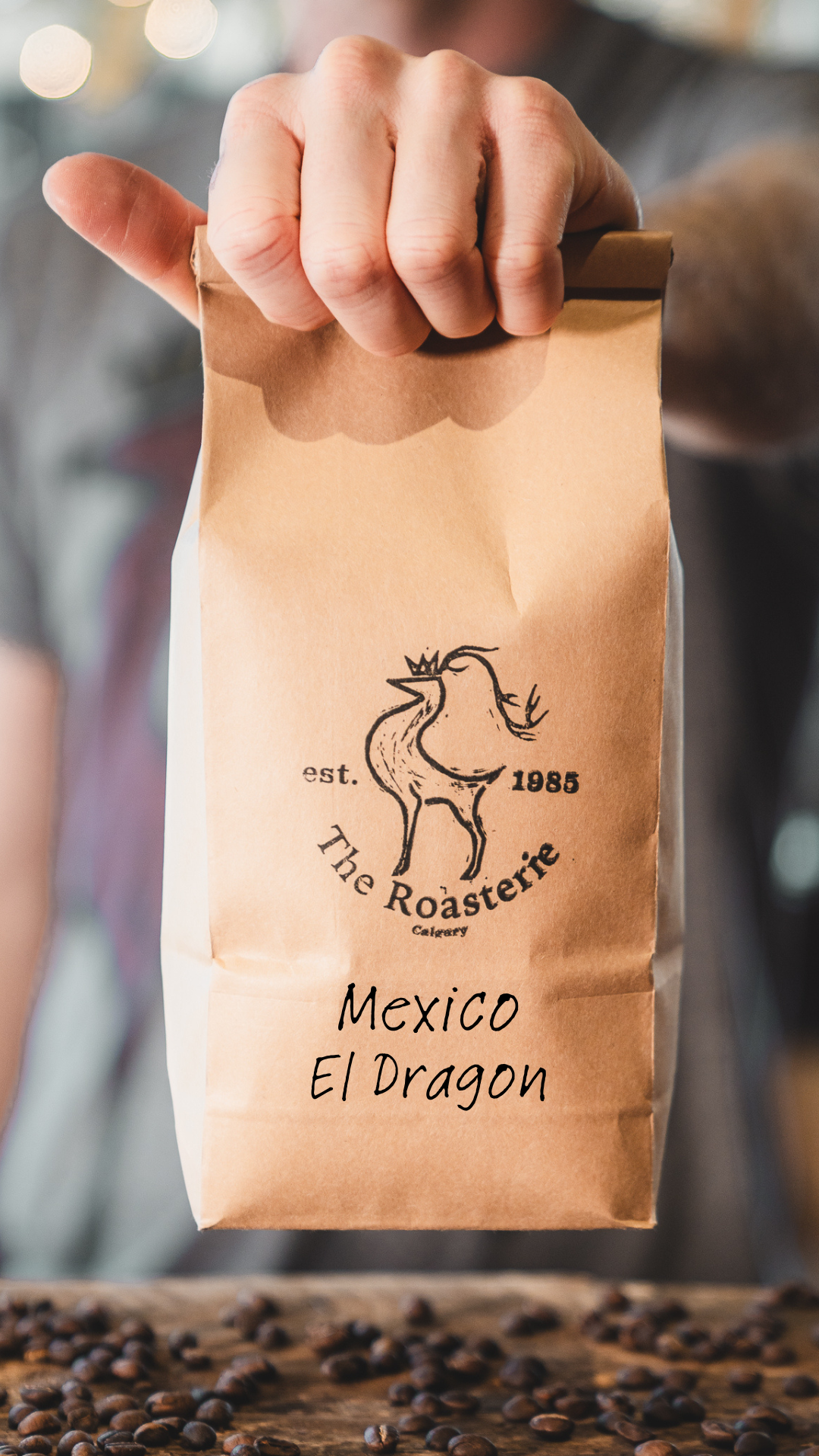
Mexico El Dragon (Anaerobic) – Layered sweetness, juicy character, smooth finish.
theroasterie.com
Mexico El Dragon
Share

Monsooned Process
This process is unique to India and depends entirely on climate.
How it works
After initial drying, green coffee beans are stored in open-sided warehouses during India’s monsoon season. For roughly 6 to 8 weeks, warm, humid air moves through the space.
The beans are regularly turned and monitored as they absorb moisture from the air. They swell in size, soften in density, and change colour.
What it tastes like
Monsooned coffees are known for:
- Very low acidity
- Heavy, smooth body
- Mellow, earthy flavours
Coffees from our selection:
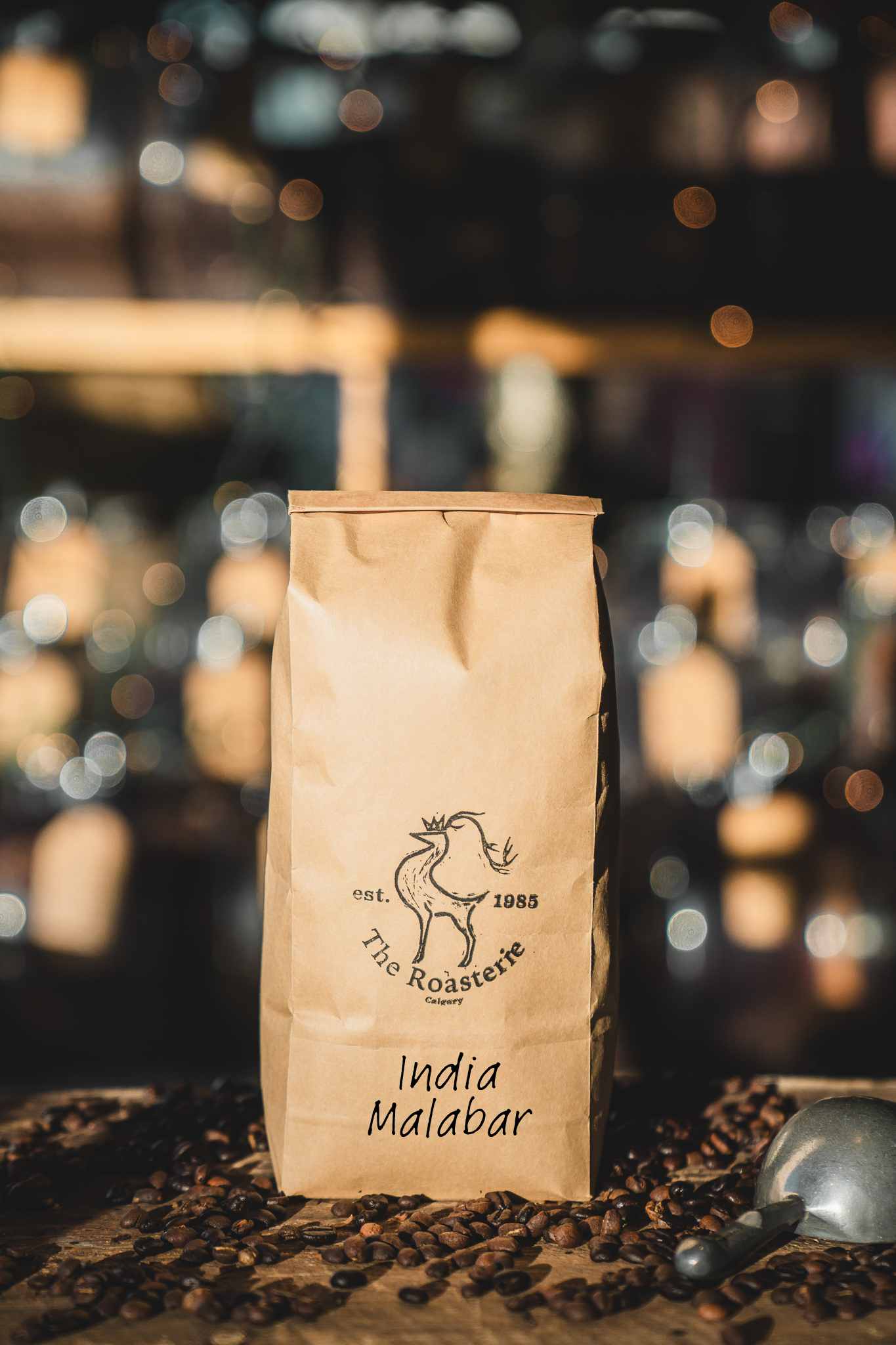
India Monsooned Malabar – Buttery, rich body, smooth and gentle.
theroasterie.com
India Malabar

Decaf Coffee (Swiss Water Process)
The best decaf you can get.
How it works
Swiss Water decaf uses only water, temperature, and time. Green coffee beans are soaked to dissolve caffeine. The water passes through a carbon filter that removes caffeine while keeping flavour compounds.
The beans are then soaked again in this flavour-rich water so they reabsorb their character without caffeine.
What it tastes like
Swiss Water decaf coffees tend to be:
- Smooth
- Balanced
Coffees from our selection:
Decaf Espresso - dark roast espresso blend
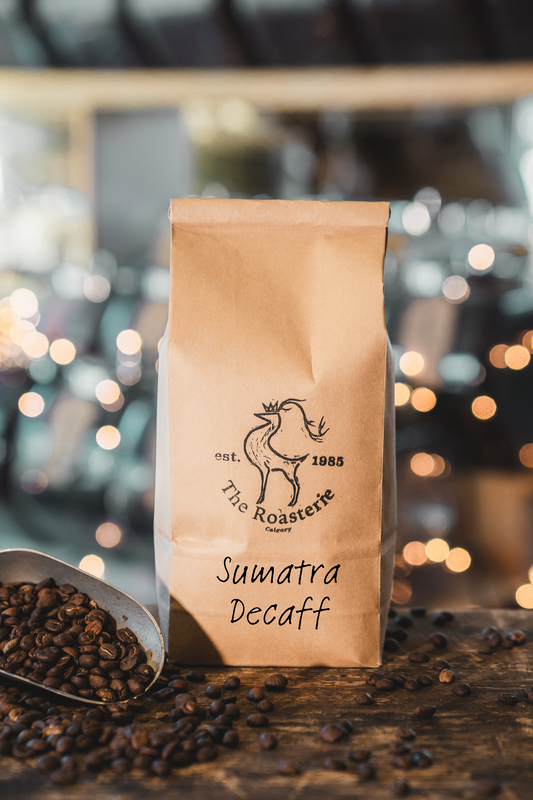
Decaf Sumatra - medium roast,
Best Decaf in Town
-
Espresso - Decaff
Regular price $23.50 CADRegular priceUnit price / perSale price $23.50 CAD -
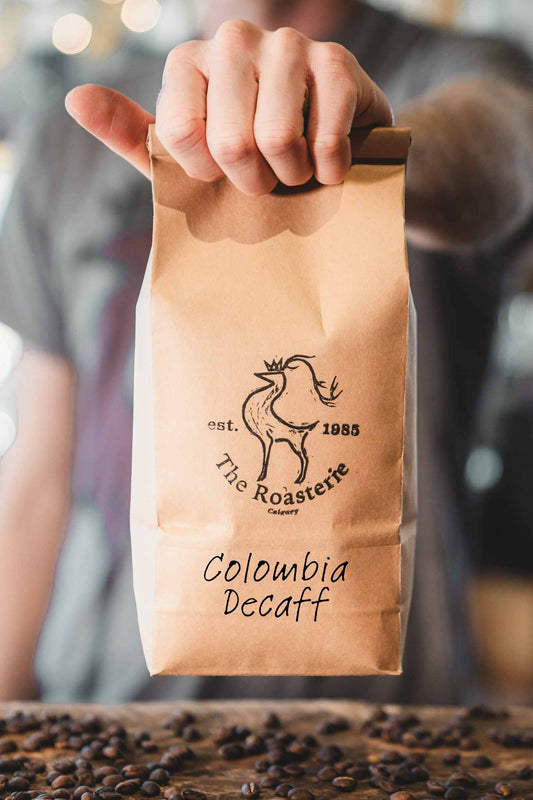
Colombia - Decaff
Regular price $23.00 CADRegular priceUnit price / perSale price $23.00 CAD -
Sumatra - Decaff
Regular price $23.00 CADRegular priceUnit price / perSale price $23.00 CAD -
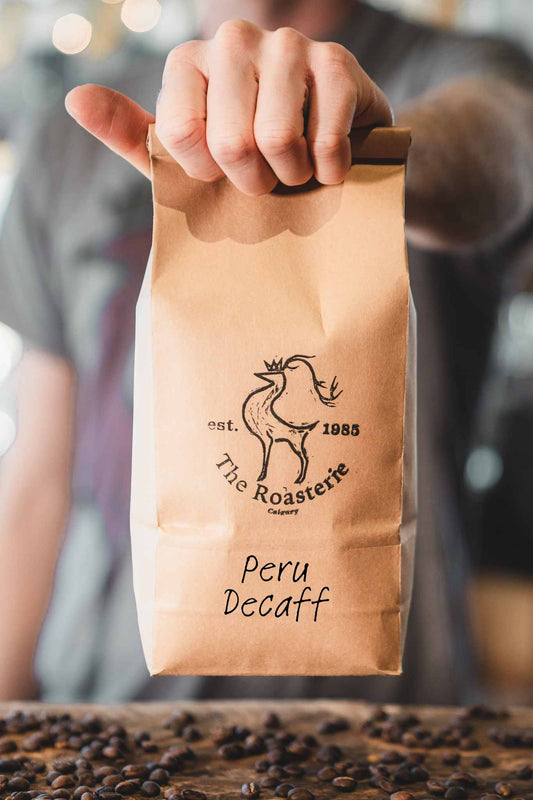
Peru - Decaff
Regular price $23.00 CADRegular priceUnit price / perSale price $23.00 CAD
Choosing a process
If you like bright, defined flavours, washed coffee is a good place to start. If you like sweetness and body, natural or honey coffees make sense. If you want expressive flavours with control, anaerobic coffees are worth trying. If acidity bothers you, monsooned coffee is a gentler option. Processing is one of the easiest ways to explore coffee without changing how you brew. Same setup. Different cup. If you ever want help picking something based on how you drink coffee at home, that’s what we’re here for.