
How Much Caffeine Is in a Cup of Coffee?
Walk into the Roasterie in Kensington and you’ll hear these questions more than you’d expect.
“How much caffeine is in this?”
“Is espresso stronger?”
“I just had a huge coffee, why am I still tired?”
Fair questions. Coffee is part of daily life here. It gets us moving in the morning and keeps us going through long afternoons.
And lucky for us, caffeine helps protect mornings.
And some people’s lives too.
But caffeine isn’t about cup size alone.
Or how dark the coffee looks.
Or how intense it tastes.
There’s more going on in the cup.
A Quick Reality Check on Cup Size

Arabica vs Robusta: Where Caffeine Really Starts
Before roast levels or brew styles, it starts with the bean.
There are two main coffee species you’ll hear about.
Arabica and Robusta.
Robusta contains significantly more caffeine.
That’s why it’s common in instant coffee and blends.
But there’s a trade-off.
Robusta often tastes harsh.
Woody.
Rubbery.
Sharp.
At the Roasterie, we roast and serve only Arabica.
Always have.
Arabica has less caffeine, but far more flavour, aroma, and balance.
The caffeine feels smoother.
Less aggressive.
Easier to enjoy.


Roast Level and Caffeine
Roast level does change caffeine, just not as dramatically as people expect.
What roasting really changes is flavour.
Light Roast
Light roasts spend the least time in the roaster.
The beans stay dense.
They keep more of their original character.
Flavours are brighter.
Sometimes citrusy.
Sometimes floral.
Sometimes tea-like.
Because they’re roasted for a shorter time, light roasts keep slightly more caffeine than darker roasts.
Light to Medium Roasts
-
Highlander Grogg
Regular price $23.00 CADRegular priceUnit price per -
Nutty Vanilla
Regular price $23.00 CADRegular priceUnit price per -
Hazelnut Cream
Regular price $23.00 CADRegular priceUnit price per -
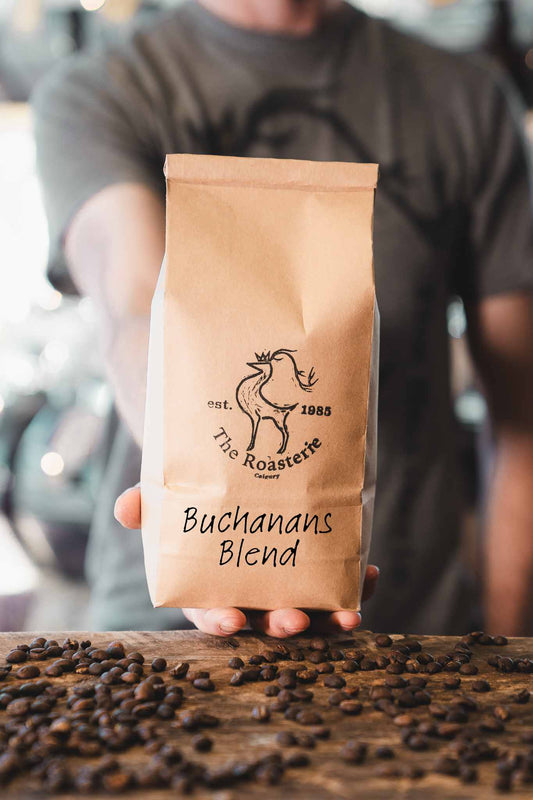
Buchanans Blend
Regular price $23.00 CADRegular priceUnit price per -
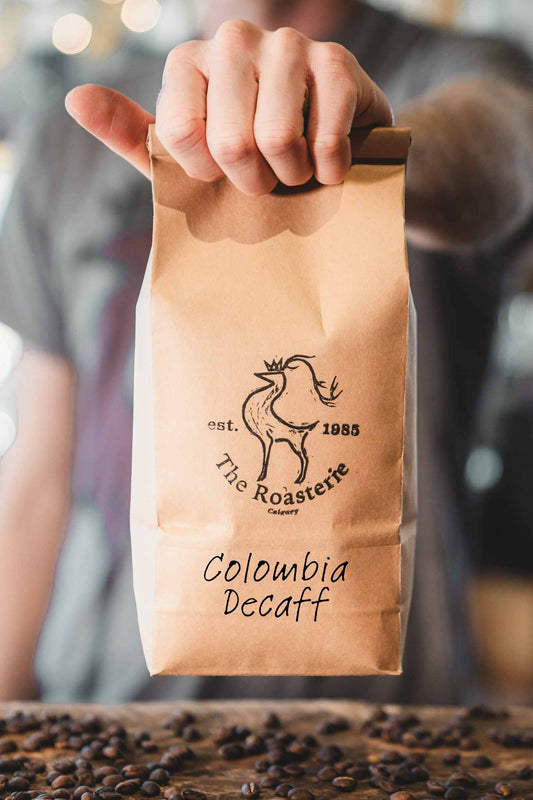
Colombia - Decaff
Regular price $23.00 CADRegular priceUnit price per


Dark Roasts
-
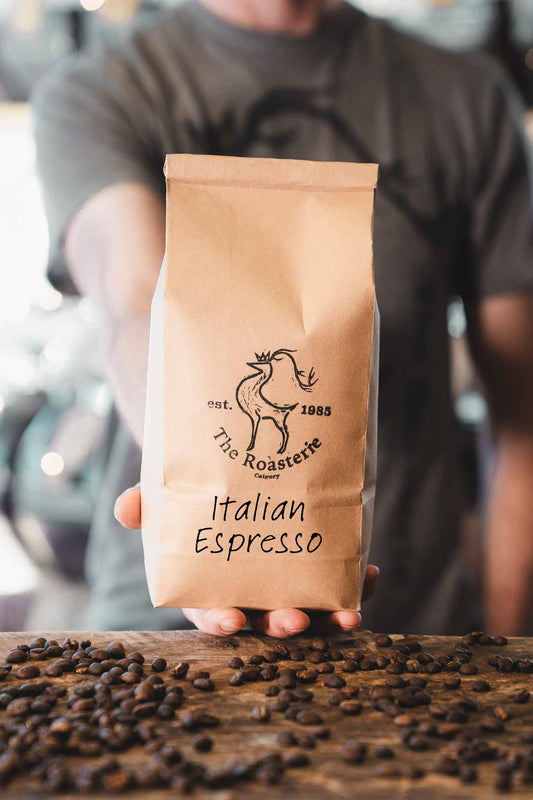
Italian Espresso
Regular price $22.00 CADRegular priceUnit price per -
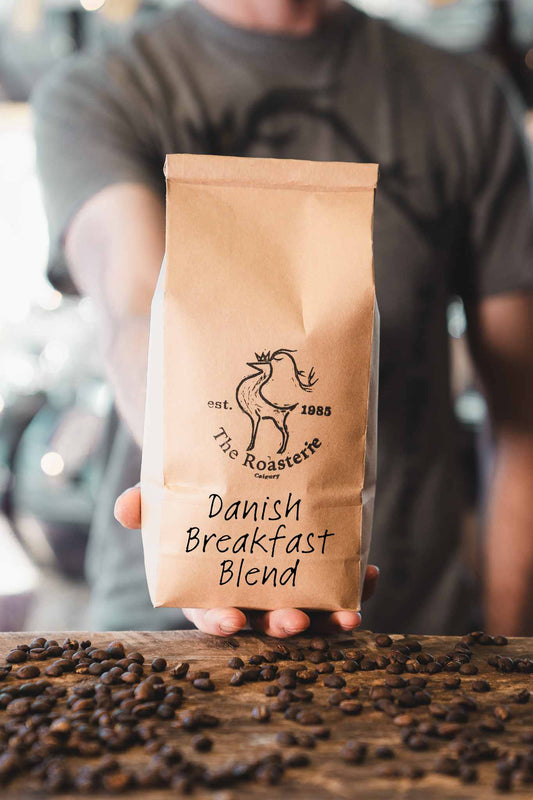
Danish Breakfast Blend
Regular price $22.00 CADRegular priceUnit price per -
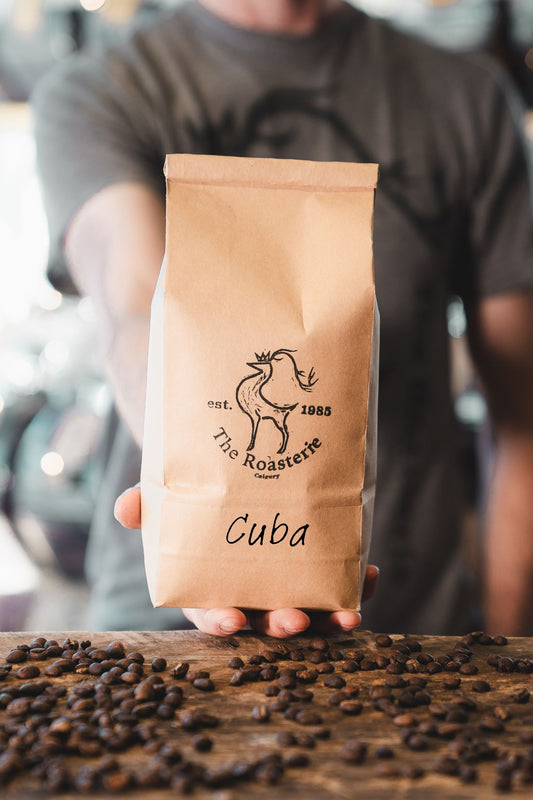
Cuba Caracolillo
Regular price $28.00 CADRegular priceUnit price per -
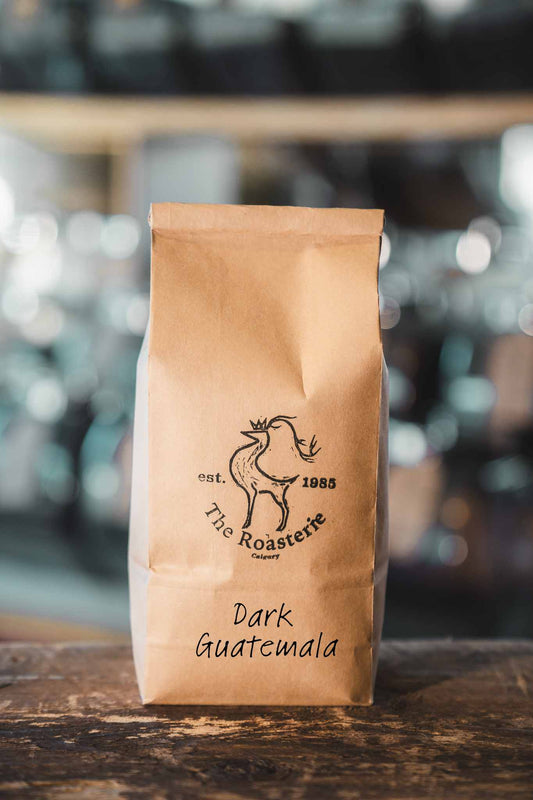
Dark Guatemala
Regular price $22.00 CADRegular priceUnit price per -
Espresso - Decaff
Regular price $23.50 CADRegular priceUnit price per
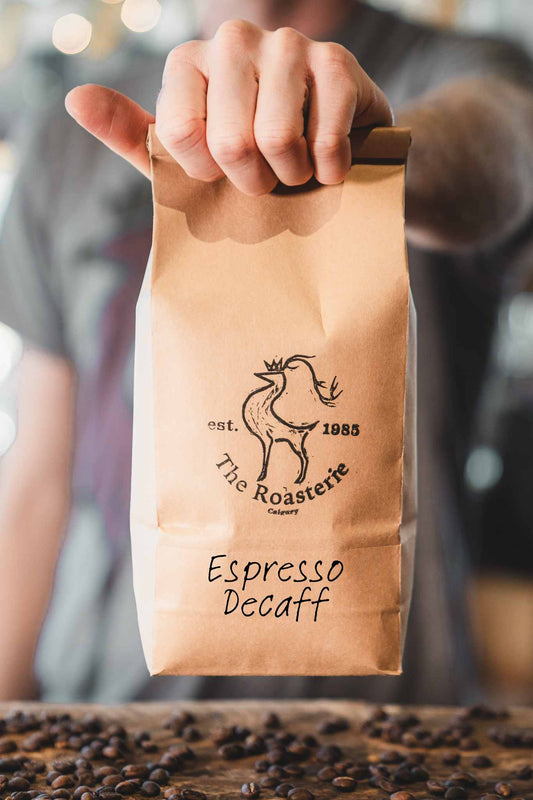

Espresso: Small, Concentrated, Immediate
A single espresso shot is about 1 oz, roughly 30 ml.
It contains around 60 to 70 mg of caffeine.
A double espresso usually lands closer to 120 to 140 mg.
But espresso isn’t about numbers.
You lift the cup.
It’s warm in your hand.
Crema floats on top, thick and soft.
The first sip touches your lips gently.
Silky.
Then the body follows.
Smooth but firm.
Fresh bread aroma.
A light bitterness.
Dark chocolate lingering in the mouth.
You drink it quickly.
That’s why it feels clear and present.
Focused.
Direct.
Moka Pot: Stove-Top Power

Drip Coffee: The Everyday Cup
A standard cup of drip coffee, about 8 oz or 240 ml, usually contains 90 to 120 mg of caffeine.
Most people drink larger sizes.
A 12 oz to 16 oz drip coffee can easily land between 140 and 200 mg.
Drip coffee feels steady.
Comforting.
Familiar.
And research shows that good quality black coffee can support focus, mood, and overall energy.
It’s also rich in antioxidants and can support heart and brain health when enjoyed without loads of sugar and milk.
When the coffee tastes good on its own, you don’t need much else.
Pour Over Coffee: Clean and Clear

French Press Coffee: Rich and Bold
French press coffee has more body because the natural oils stay in the cup.
There’s no paper filter to trap them.
That’s why it feels heavier.
Rounder.
Full.
A typical French press cup contains 100 to 150 mg of caffeine.
French press continues extracting the entire time the coffee sits in hot water.
That means the second cup often tastes stronger than the first.
Some people love that depth.
Others find it a bit intense.
That strength isn’t only caffeine.
It's an ongoing extraction.
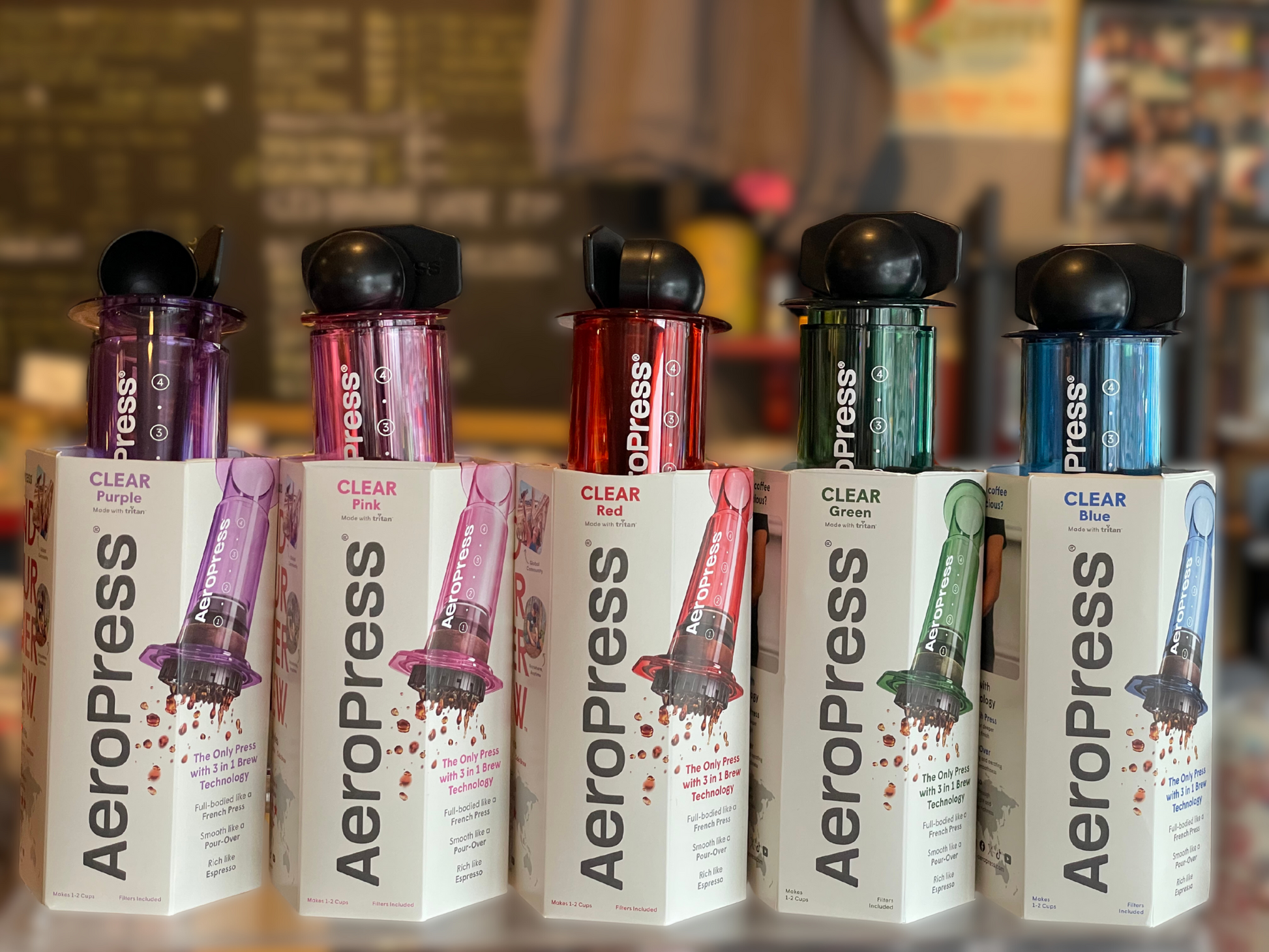
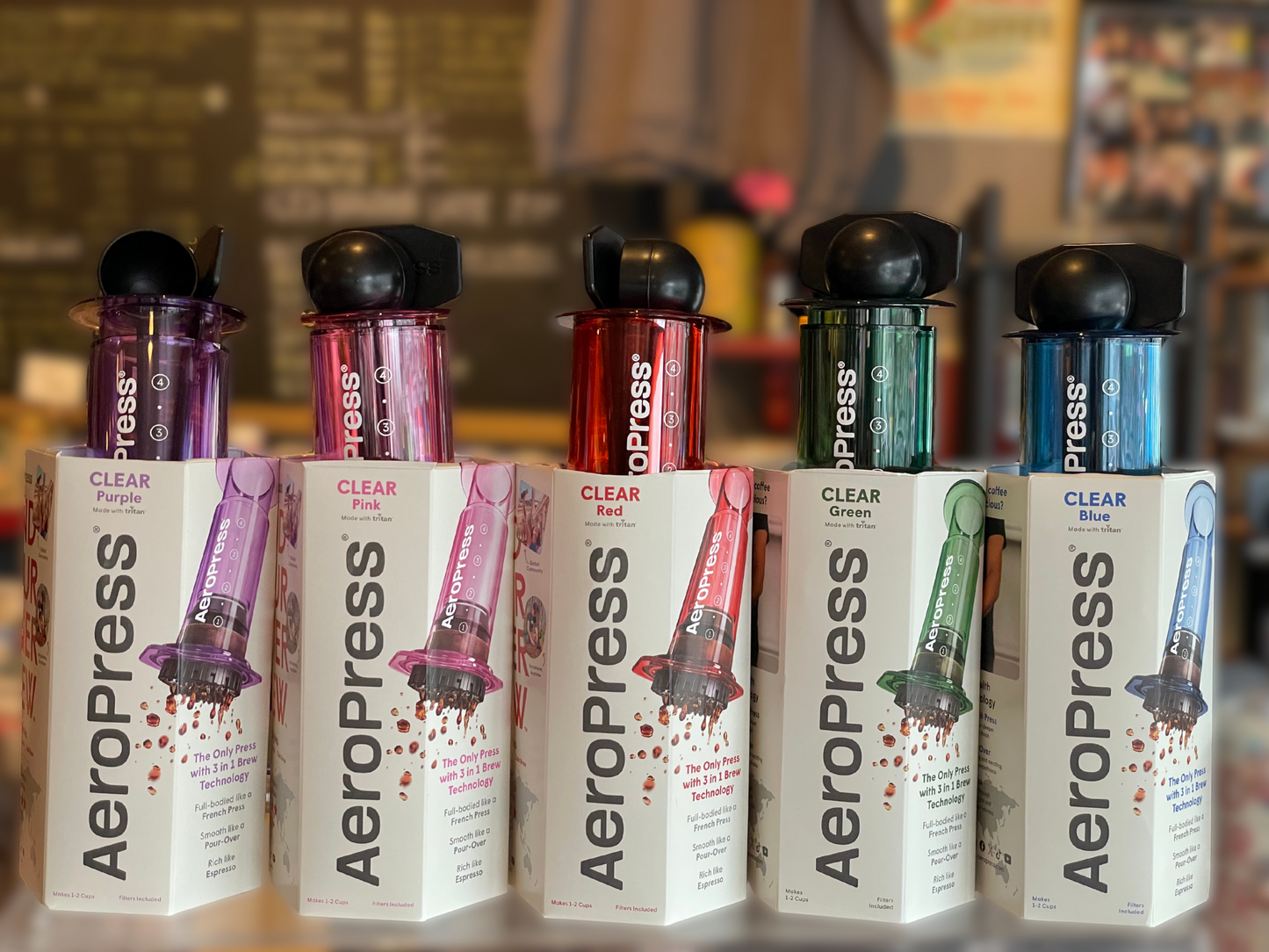
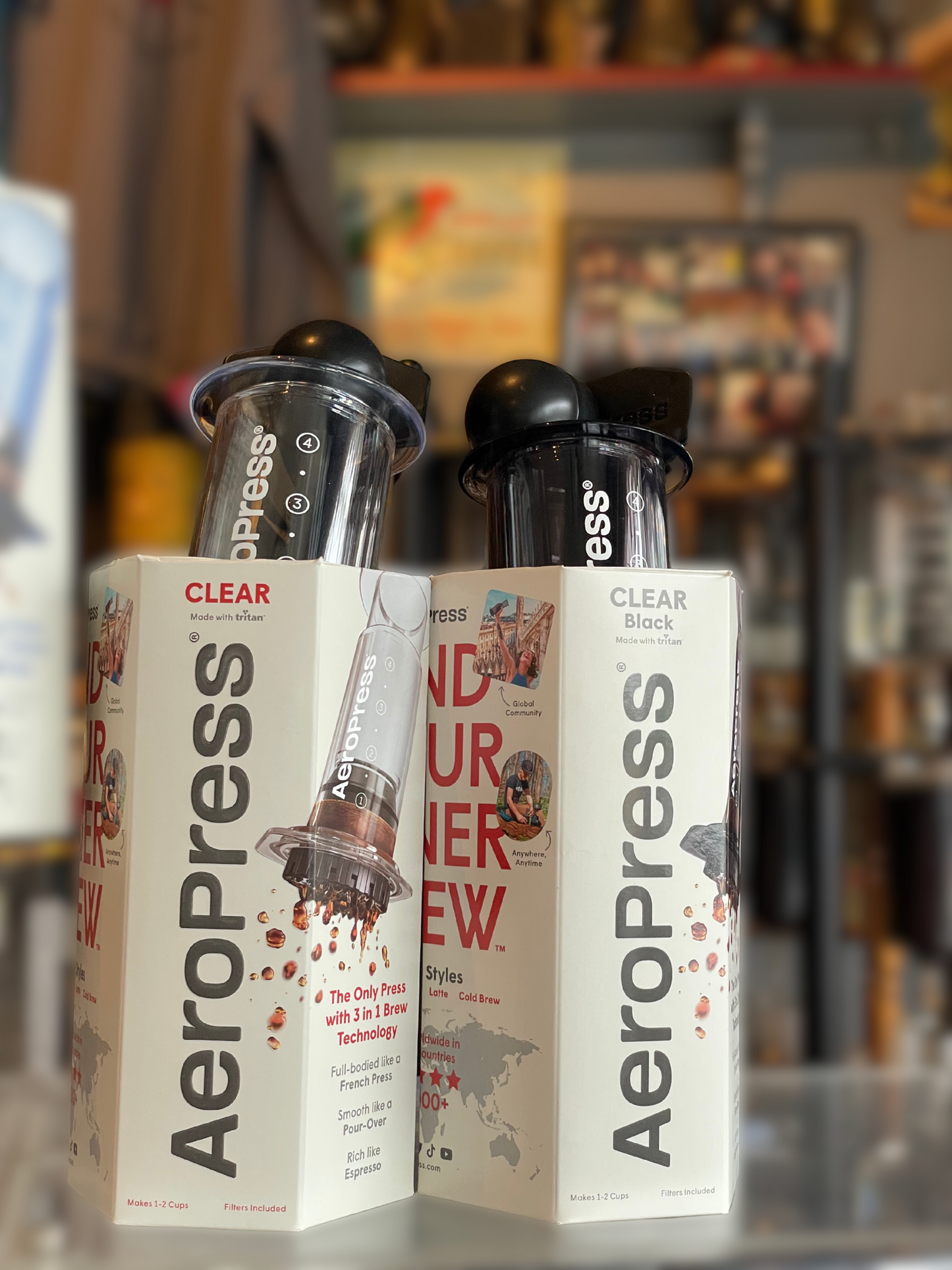
AeroPress: Small & Flexible
Cold Brew: Smooth but Serious

The Coffee Itself Still Leads the Way
Brew style plays a role.
Roast plays a role.
Cup size plays a role.
But fresh, well-roasted coffee changes everything.
A great French press with fresh beans can taste incredible.
Far better than a stale espresso from an expensive machine.
Good coffee delivers caffeine in a smoother, more enjoyable way.


Coffee in Calgary Feels Different

So, How Much Caffeine Is in Your Cup?
It depends on what you choose.
How big it is.
How it’s brewed.
How fresh the coffee is.
But now you’ve got the full picture.
If you’re ever unsure what fits your day best, ask.
We’ll talk it through.
Cup in hand.
That’s how coffee should be.
Simple.
Thoughtful.
And worth drinking.